
Introduction: Help Engineers to Know Slip Ring Well
A slip ring enables continuous transmission of electrical power, control signals, communication data and specialized signals while allowing unlimited rotation. Today, slip rings are widely used in medical device, wind turbine, construction machinery, automation equipment, offshore equipment, radar, defense and military. Some even demanded support for Gigabit Ethernet, RF signals, high speed data communicate, integrated fiber optic rotary joint or operating in harsh environments.
Selecting a slip ring requires determining the exact configuration:
- Circuit quantity
- Voltage and current limits
- High-speed signal integration (e.g., Ethernet, RF)
- Rotational speed and expected operating life
- Environmental operating conditions
Incorrect selection causes signal instability, electrical noise, overheating and equipment downtime. A properly engineered slip ring provides millions of stable rotations. This guide details working principles, product categories, design parameters, materials, reliability testing and manufacturing.
Table of Contents
Toggle1. What Is a Slip Ring?
A slip ring is a rotary transmission device that maintains an uninterrupted electrical connection across a rotating interface. Without it, continuous rotation would twist and snap flexible cables due to mechanical fatigue.
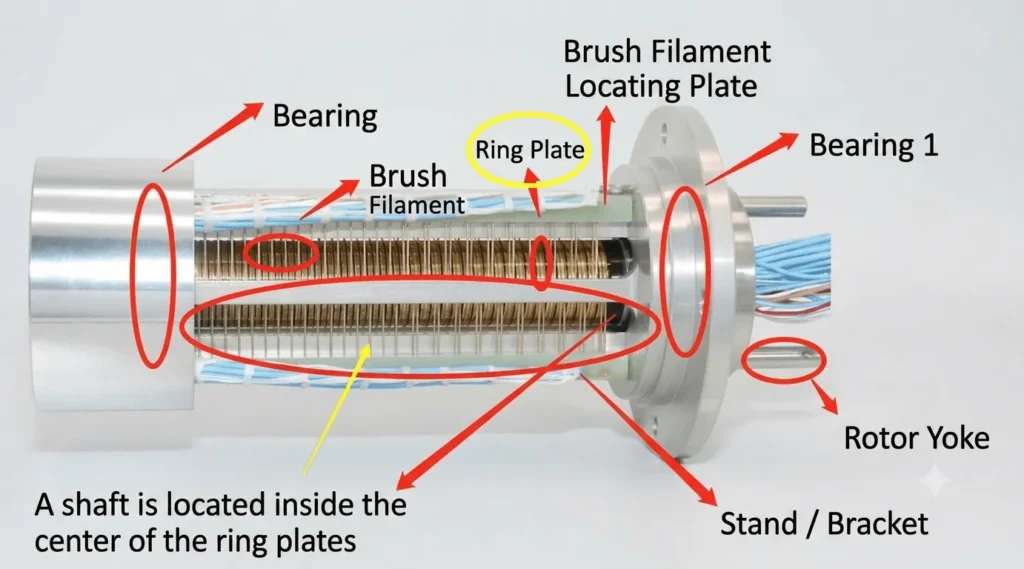
Key components include:
- Conductive rings
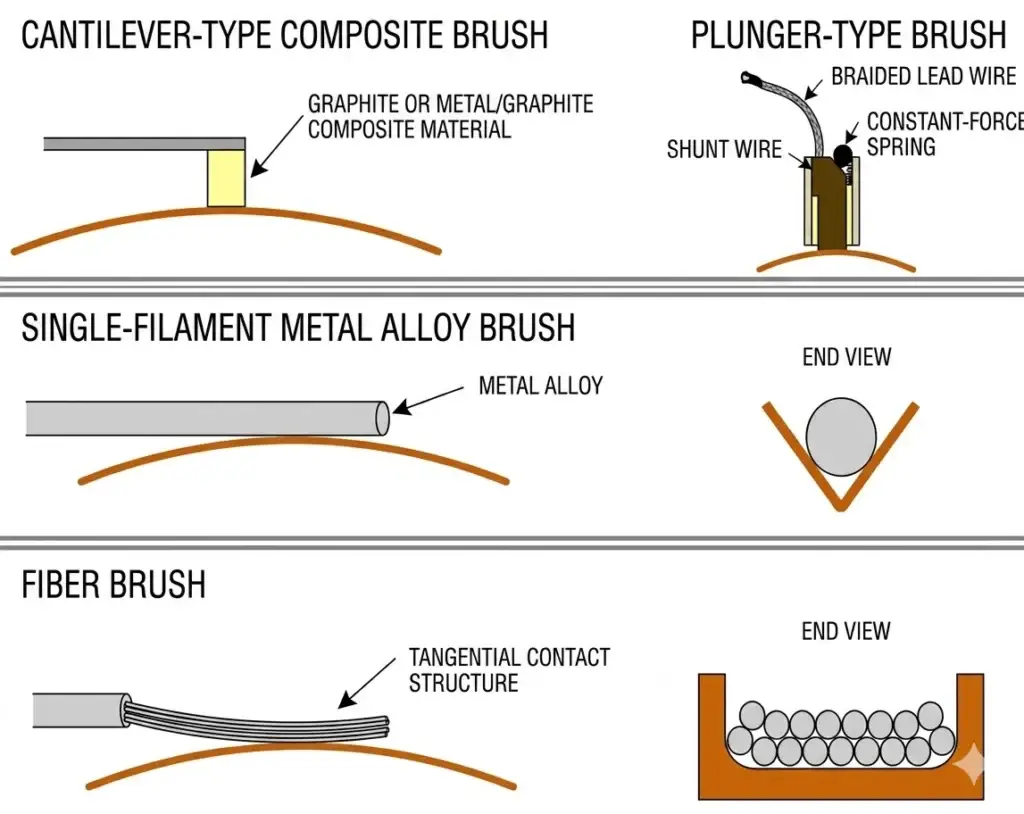
- Electrical brushes
- Bearings
- Housing structure
- Insulation and signal shielding elements
1.1 Industrial Terminology
- Slip Ring: General term for transmitting power, gas, liquid or signals (optical/RF).
- Electrical Slip Ring: Specifically transmits electric power and electrical signals.
- Rotary Electrical Connector: A broader specification term used in industrial equipment.
- Rotary Joint: Assemblies combining electrical transmission with fluids, compressed air, or optics.
- Collector Ring: High-current slip rings with carbon brushes.
1.2 Operating Principle
During rotation, stationary brushes maintain physical contact with rotating conductive rings, enabling the continuous flow of current or signals.
Configurations vary by rotary electrical connector internal structure, contact technology and dimensions. Selection relies on available space, circuit count, power loads, rotation speed, signal type and environment.
2.1 Capsule Slip Rings
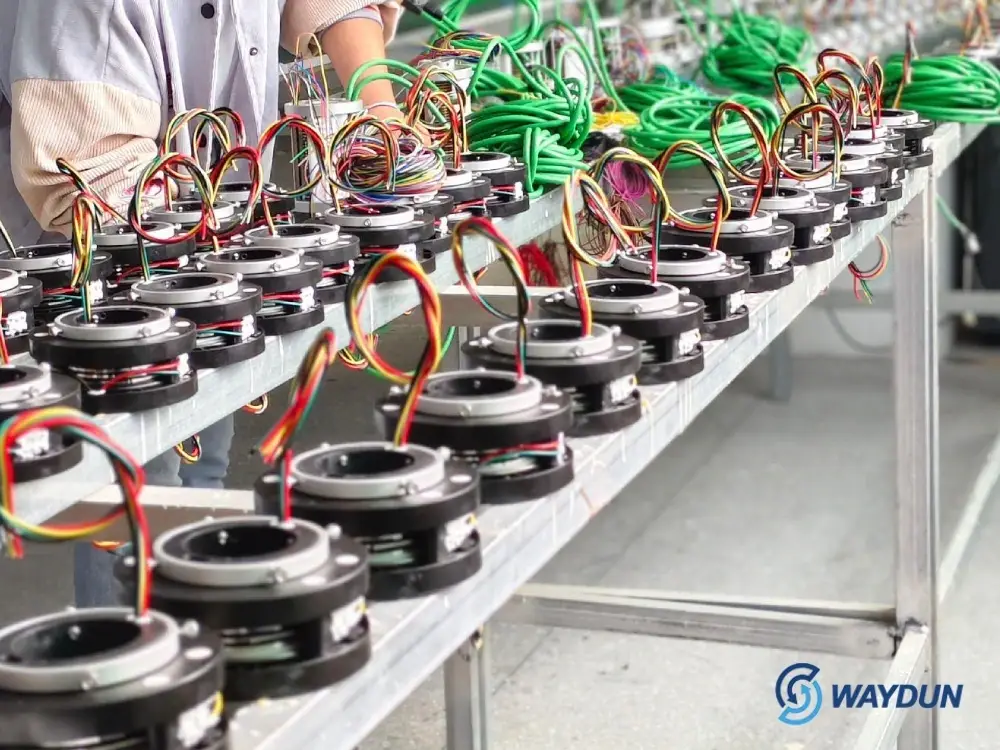
Capsule slip rings offer compact dimensions and cost efficiency for space-limited installations.
- Design: Features a compact rotor, miniature rings, precision brushes and an integrated housing.
- Applications: Industrial robot arms, medical lamps, security cameras, lab instruments and consumer electronics.
How High-Reliability Capsule (Miniature) Slip Rings Are Manufactured?
2.2 Through Hole Slip Rings
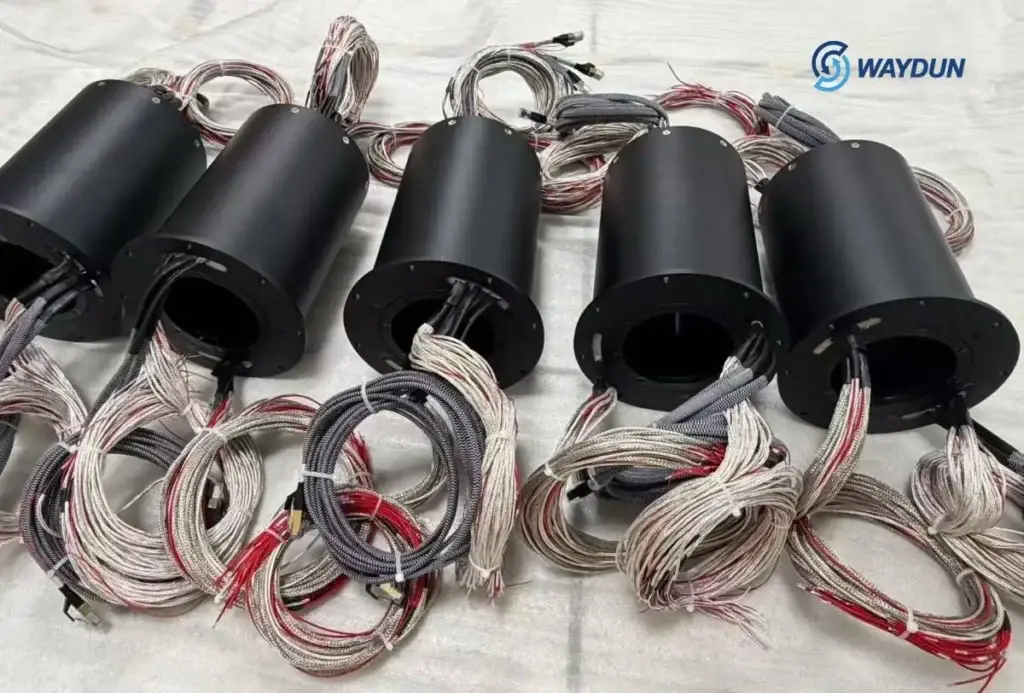
Through hole slip rings feature a central hollow shaft, allowing direct mounting onto existing rotating machinery.
- Design Advantages: Simplifies mechanical integration and reduces external cable movement. Accommodates electrical, pneumatic and hydraulic combinations.
- Applications: Filling machine, automation systems, packaging equipment and large rotating platforms.
2.3 Pancake Slip Rings
Pancake slip rings operate in systems with strict axial height limits. PCB slip ring is a special type of disc slip ring, also is the most widely used flat one.
- Design: Arranges conductive tracks on a flat, disc-shaped surface rather than a cylinder. PCB slip rings are the most common variant.
- Challenges: The flat structure concentrates heat, requiring careful thermal management for high-current applications.
2.4 High Current Slip Rings
Designed to transmit massive electrical loads during continuous rotation.
- Applications: Cranes, cable reels, heavy manufacturing, and rotary welding.
2.5 Ethernet Slip Rings
High-speed Ethernet data communication during rotation.
- Design Considerations: Requires strict control of impedance, signal attenuation and EMI. Heavy shielding separates power circuits from communication channels.
- Compatibility: Supports Gigabit and industrial Ethernet protocols.
2.6 RF Rotary Joints
Engineered specifically for radio frequency and high-frequency signal transmission.
- Design Focus: Performance relies on precise control of the frequency range, insertion loss, return loss and VSWR.
2.7 Waterproof Slip Rings
Built for outdoor, undersea and harsh environments.
- Protection: Guards against water, dust, humidity, corrosion and extreme temperatures based on enclosure ratings like IEC 60529.
- Design: Requires sealed housings, corrosion-resistant materials, cable sealing and internal condensation control.
2.8 High Speed Slip Rings
Engineered to maintain stable electrical connectivity at exceptionally high rotational velocities. Slip Ring working speed at 1000rpm to 12000rpm.
- Design Considerations: Demands precision bearings and specialized contact materials (often precious metals) to minimize vibration, friction heat, and contact bounce during rapid rotation.
- Applications: Aerospace centrifuges, high-speed machining spindles, high-speed rail speed measuring device and advanced material testing equipment.
2.9 High Temperature Slip Rings
Used in environments (100-300℃) where ambient or operational heat exceeds standard industrial limits.
- Design: Utilizes specialized heat-resistant components, such as ceramics insulation layer, high-grade stainless steel and high-melting-point solder, to prevent structural degradation and conductivity loss.
- Applications: Downhole oil drilling tools, industrial furnaces, hot rolling mills and jet engine testing facilities.
2.10 Fiber Optic Rotary Joint
Fiber optic transmission of signals or data offers long lifespan, low loss and often utilizes the principle of prism refraction. XY Technology has mastered wavelength division multiplexing (WDM) technology.
- Capabilities: Delivers immense data bandwidth with absolute immunity to electromagnetic interference (EMI). Accommodates both single-mode and multi-mode fiber channels.
- Applications: Remotely operated underwater vehicles (ROVs), radar antenna systems, military equipment, remote sensing satellite.
2.11 Hybrid Rotary Solutions
Integrated multiple transmission media into a single unit.
- Capabilities: Integrates electrical power, optical data and fluids.
- Applications: Medical imaging, defense equipment and advanced machinery.
A functional slip ring connector must match the operational requirements of the entire system.
3.1 Circuits and Power Ratings
- Circuits: Each circuit provides an independent electrical path.
- Voltage: High voltage requires advanced insulation and increased electrical spacing.
- Current: High current dictates larger conductive rings, increased brush contact area, and better heat dissipation.
3.2 Signal and Data Requirements
Systems often mix analog, digital, encoder, Ethernet, RF and video signals. Low-level signals are highly vulnerable to electrical noise and contact fluctuations. High-speed data requires strict impedance control and signal isolation.
What Engineering Factors That Determine Signal Transmission Performance?
3.3 Speed, Dimensions and Environment
- Rotational Speed: Directly impacts mechanical wear and expected lifetime.
- Dimensions: Engineers must match the outer diameter, length, bore diameter, and flange to the available mechanical space.
- Environment: Dust, moisture, oil and vibration dictate the required IP rating and sealing structures.
4. Contact Materials and Surface Treatment
The contact interface controls electrical performance and working life.
- Contact Materials: Gold and silver alloys are standard for signal transmission and long life products. Carbon brush material is good for high current applications.
- Surface Treatment: Applied to lower contact resistance, prevent oxidation and protect against corrosion. Reduce slip ring failure probability.
The Causes of Internal Defects in Ag–Cu–V Alloy Conductive Slip Rings.
5. Testing and Failure Analysis
Electrical slip rings operate for up to 60 million times of rotation cycles. Failure causes production interruptions and expensive maintenance.
How to Maintenance and Cleaning Electrical Slip Ring?
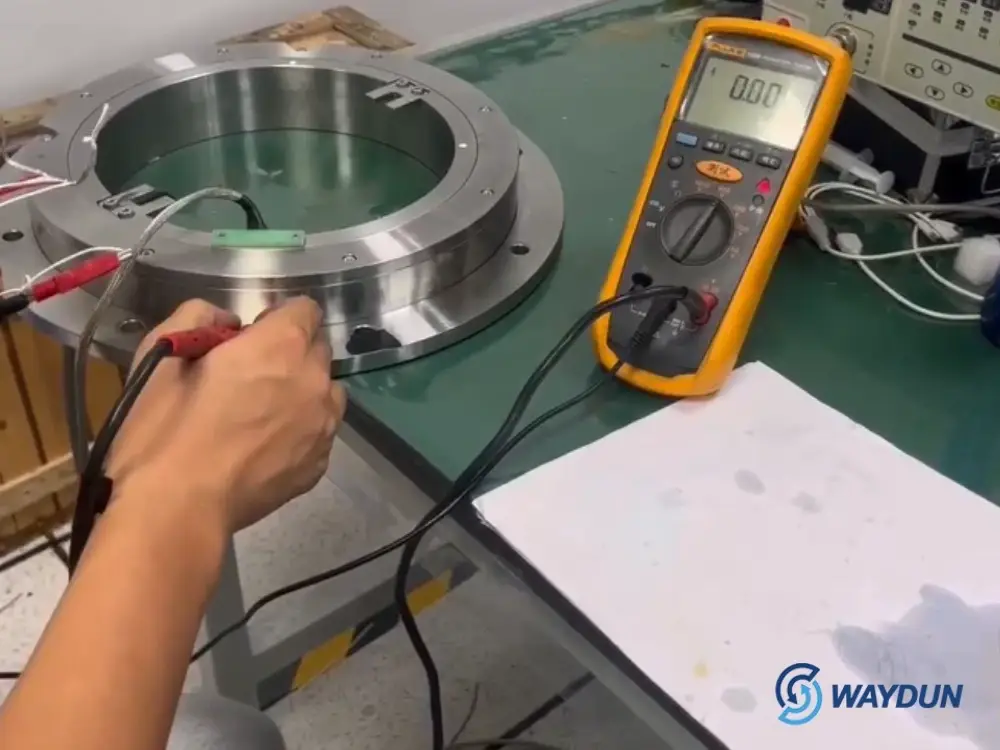
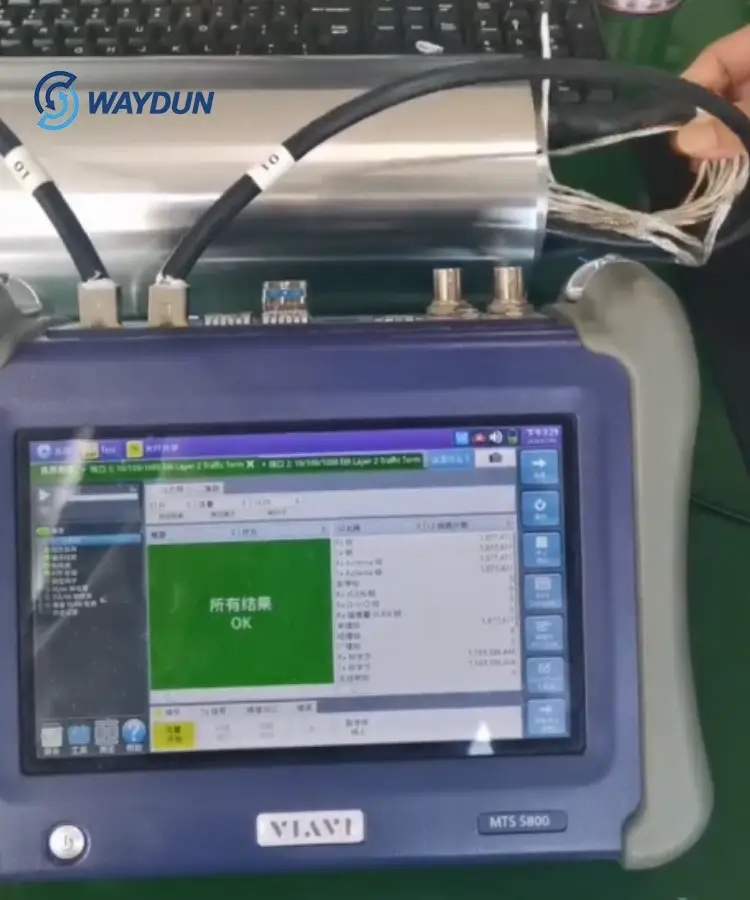
5.1 Conductive Slip Ring Testing
- Contact Resistance Testing: Verifies stable signals. High resistance causes voltage fluctuations, signal loss and heat.
- Insulation Resistance Testing: Prevents electrical leakage and short circuits between circuits and the housing.
- Dielectric Strength Testing: Confirms the electrical slip ring can withstand electrical stress and prevents arcing in high-voltage setups.
- Lifetime Testing: Simulates real operating conditions to verify mechanical wear and electrical stability.
5.2 Failure Analysis
- Contact Wear: Caused by friction, incorrect brush pressure, or bad materials; results in unstable signals.
- Electrical Noise: Caused by contamination or poor shielding; disrupts sensors and communication.
- Overheating: Caused by excessive current or high resistance; accelerates aging.
- Environmental Damage: Moisture and dust degrade insulation and destroy contacts.
6. Slip Ring vs. Commutator
Both utilize rotating electrical contacts, but their functions differ. Engineers must understand this distinction to select the correct technology.
Slip rings provide a continuous electrical connection between stationary and rotating parts without reversing the current. They are commonly used in AC generators, wound-rotor AC motors, and many rotating electrical systems. Split-ring commutators reverse the current in the rotor every half revolution, allowing brushed DC motors to produce continuous torque in one direction.
Please refer to this article for the specific differences.
7. Slip Ring Assembly Manufacturing Process
- Consultation: Evaluating voltage, circuits, speed and working environment.
- Design: Optimizing contacts, seals, size and housing.
- Prototyping: Verifying mechanical fit and electrical performance.
- Production: Machining, assembly and rigorous quality control.
8. Selecting a Manufacturer
A qualified manufacturer provides strong engineering capabilities for electrical design and mechanical integration. They must support custom dimensions, run strict electrical and reliability tests and offer long-term post-delivery support.
Hangzhou WayDun Technology Co., Ltd. is a professional Chinese supplier specializing in the design and manufacturing of rotary unions and slip rings.
9. FAQ
What does a slip ring do?
It transfers power and signals between stationary and rotating parts during continuous movement.
What is the service life?
Millions revolutions or tens of millions revolutions , depending on contact materials, speed, electrical load and environment.
How do I choose one?
Evaluate electrical requirements, mechanical limits and environmental conditions.
Where to buy custom units?
Work with experienced manufacturer that offer engineering support and quality testing. It is great if the factory can provide flexibly manufacturing.
10. Conclusion
A slip ring is a precision electromechanical component dictating the reliability of rotating systems. Hope this Slip Ring Engineering Guide can help someone to make a good selection.